


EU strategy for sustainable tourism calls for expertise in balance, data and resilience
The European Commission presented the new EU Sustainable Tourism Strategy. The strategy aims to make the tourism sector more competitive, sustainable and resilient. Many of the European ambitions directly relate to the themes CELTH is working on: conscious destinations, sustainability transitions and hospitality that contributes to societal challenges.
According to new calculations by the Joint Research Centre, tourism accounts for over 10 per cent of Europe’s gross value added, when indirect effects are also taken into account. At the same time, the sector is under pressure from climate change, staff shortages, geopolitical uncertainty and unevenly distributed visitor flows. According to Brussels, shared challenges call for a shared approach, and that approach must be based on knowledge.
Balance between visitors and the destination
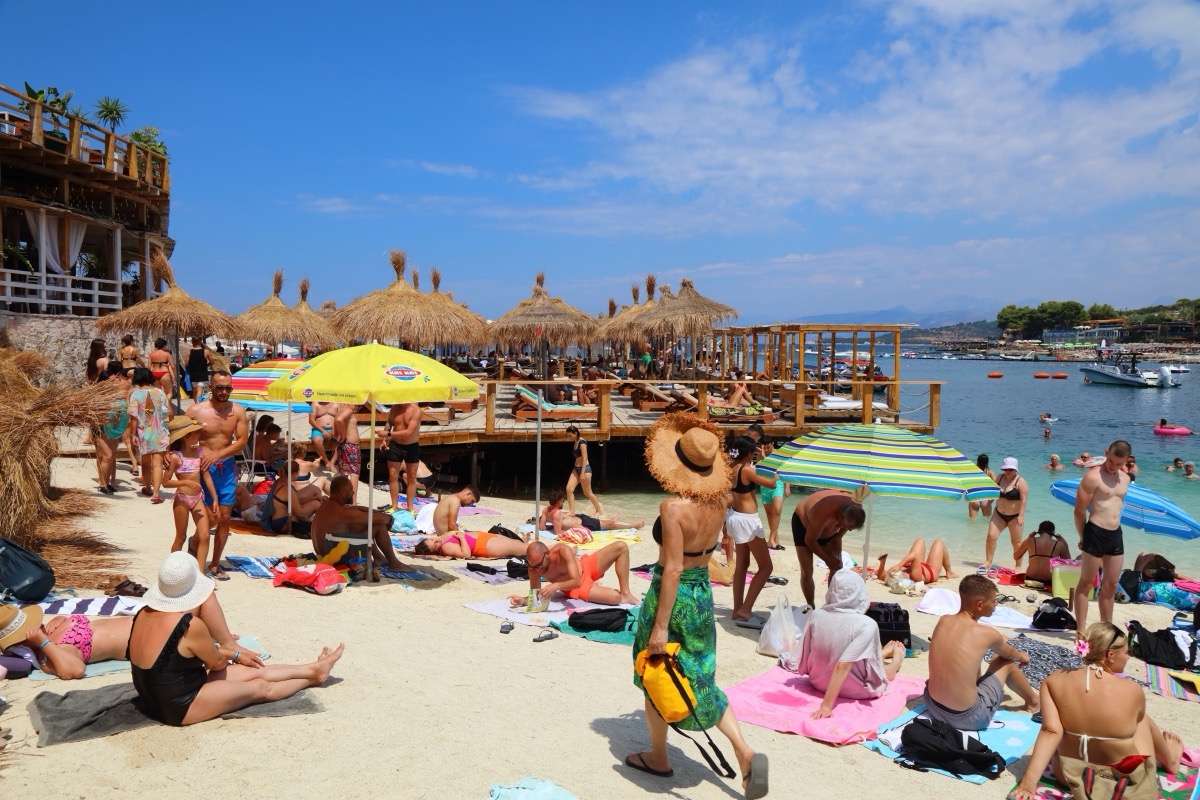
At the heart of the strategy is ‘balanced tourism’: visitor numbers must be in line with what a destination can cope with, without residents, the natural environment or infrastructure suffering as a result. The Commission is developing an EU model for tourism management, a Council recommendation and a toolbox of best practices. Its aim is to spread visitor numbers more evenly across seasons and regions. This aligns with CELTH’s theme of sustainable destinations, which focuses on measuring carrying capacity, the impact on residents and the distribution of visitors.
Data and monitoring
The Commission is establishing an EU Tourism Observatory and a common European data space for tourism. These are intended to highlight trends and help guide destinations. Such facilities are only valuable if the data is also put into practice. This is precisely where practice-oriented research has a role to play.
Resilience and climate
The strategy focuses on crisis preparedness, including a network for crisis coordination. It also highlights the consequences of climate change and extreme weather for destinations. CELTH investigates the climate impact on tourism and recreation in the Netherlands and carries out climate risk analyses. This knowledge is therefore also relevant from a European perspective.
Skills and education
To tackle staff and skills shortages, an EU Tourism Academy is to be established. It will be supported by a network of tourism institutes, universities and vocational training providers, which will jointly develop training courses and learning programmes. For knowledge institutions in the hospitality sector, this offers opportunities to link their education and research at an international level.
Cooperation
An EU Tourism Alliance will be established to implement the strategy. Within this alliance, Member States, regions, local authorities, businesses and civil society organisations will work together. This approach is similar to that of the ‘Gastvrije Transities’ programme, in which CELTH participates as a partner; here, public authorities, entrepreneurs and knowledge institutions collaborate in regional forums on issues including climate neutrality, broad prosperity and a healthy region.
The EU Sustainable Tourism Strategy demonstrates that Europe wishes to focus more on tourism that benefits both residents and visitors. Through its research, CELTH contributes to the European agenda and translates this direction into practice within the Dutch hospitality sector.