


What if the future of hospitality starts with inner development?
Students from four hotel management schools are working together with Corendon Hotels & Resorts on bottom‑up solutions for HR challenges in the hospitality sector.
Hospitality is people business. But how do we develop the professionals who will lead the sector in the future?
Students from the four Dutch hotel management schools have started a joint research and innovation project focused on leadership and personal development in the hospitality sector. The project is a CELTH pilot, developed in collaboration with Corendon Hotels & Resorts.
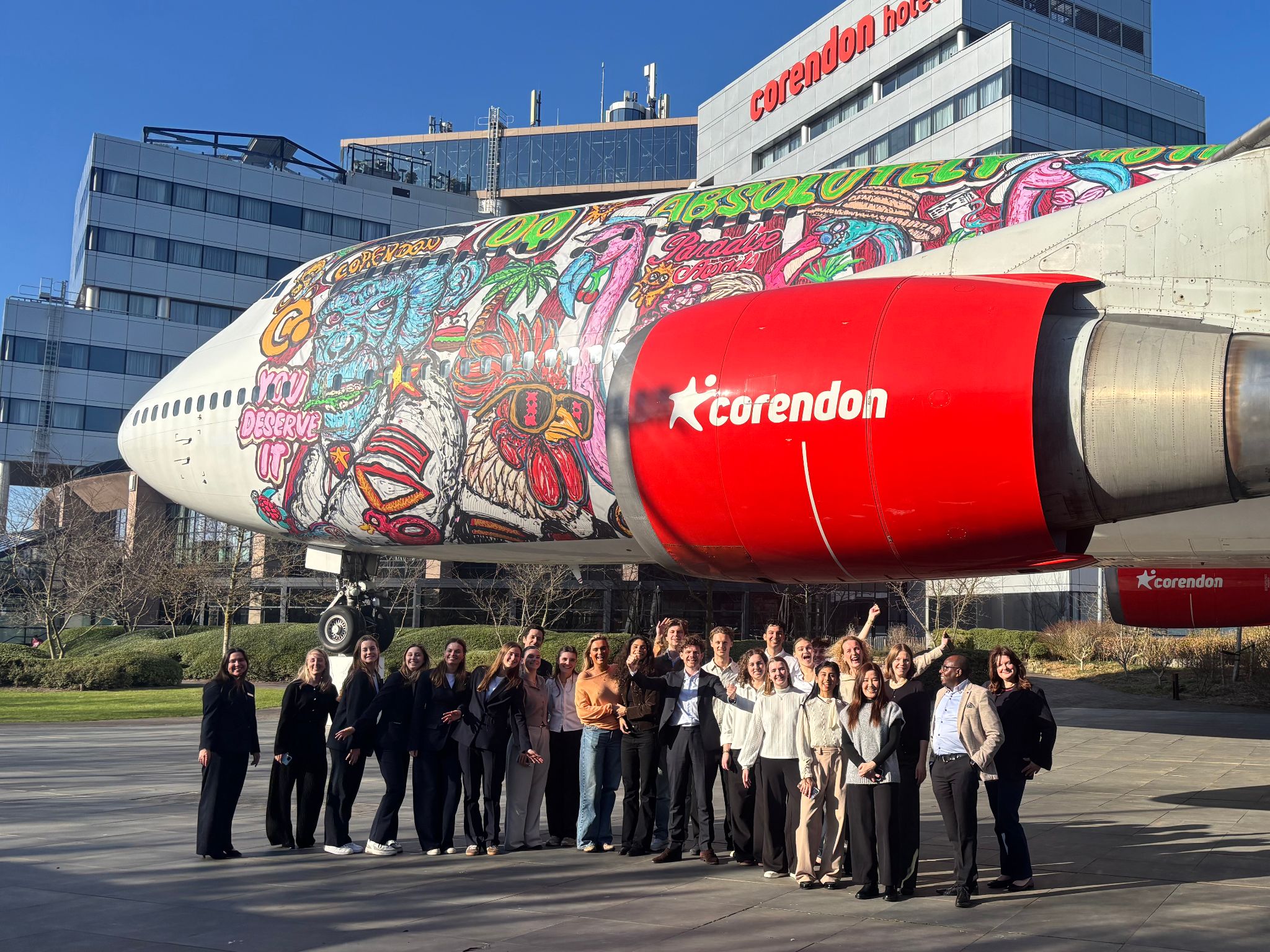
With the iconic Boeing 747-400 in Corendon’s backyard as an impressive backdrop, the official kick-off took place on Thursday 5 March. Students, researchers and hospitality professionals came together to launch the project and explore first ideas.
During the opening session, Michel Brokke (Project Manager & Coordinator Hospitality, CELTH) and Lobke Elbers (Lead Research & Innovation Human Capital, CELTH) explained the relevance of this research project for the sector. CELTH facilitates the project as part of a multidisciplinary collaboration between education, research and the hospitality industry, together with Corendon and Breda University of Applied Sciences, Hotelschool The Hague, NHL Stenden and Hotelschool Maastricht.
Pilot as an “idea generator” for Corendon Hotels & Resorts
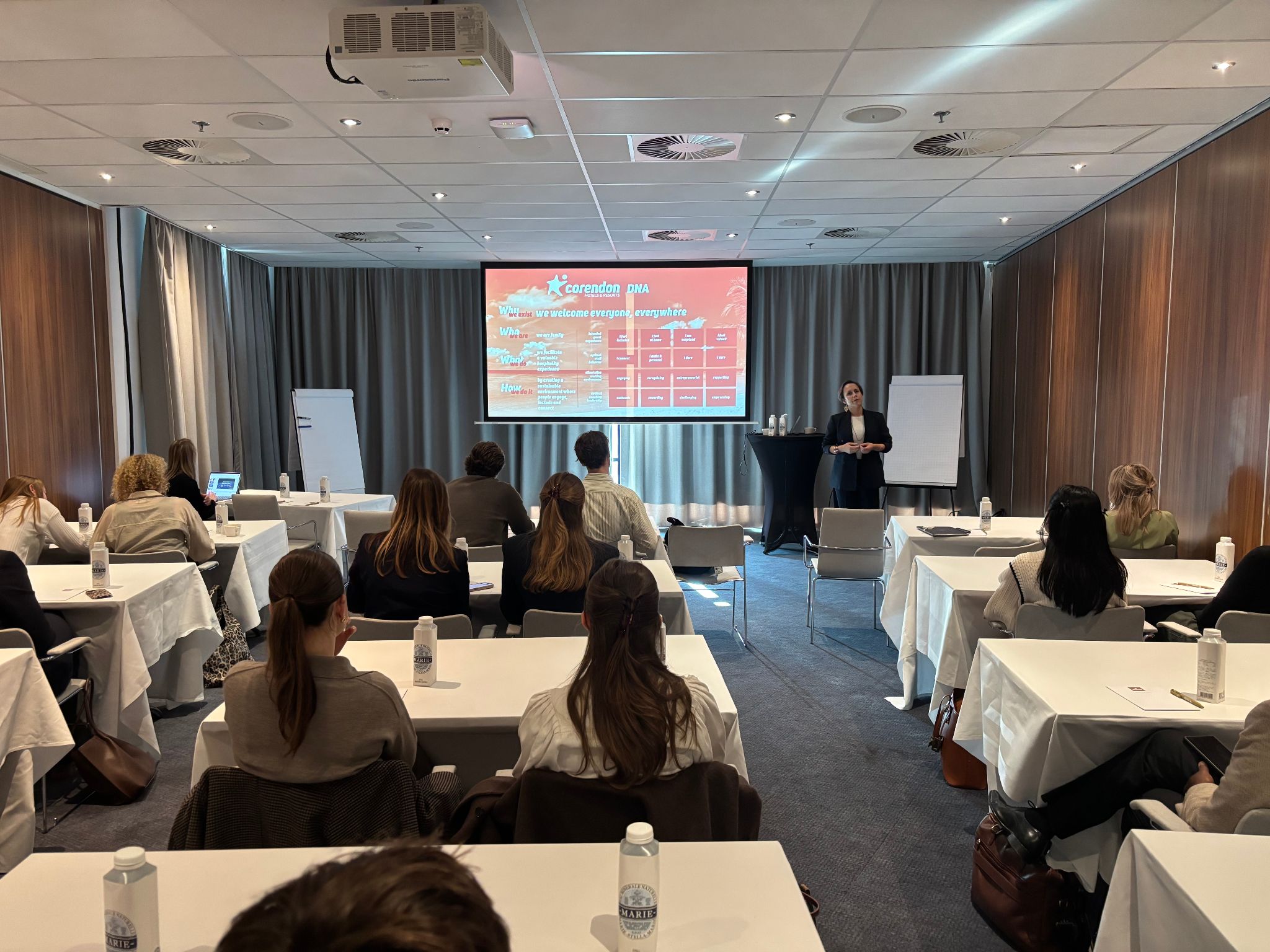
During the kick-off, Cindy Kasanmoeseni (Head of HR Hotels NL, Corendon) provided a deep dive into the organisation and the context in which the research takes place.
Corendon is both the commissioning partner and the host for the kick-off and the upcoming progress events. In addition to their strong sense of hospitality, Corendon demonstrates clear engagement throughout the organisation: employees share insights from daily practice on leadership, work culture and talent development.
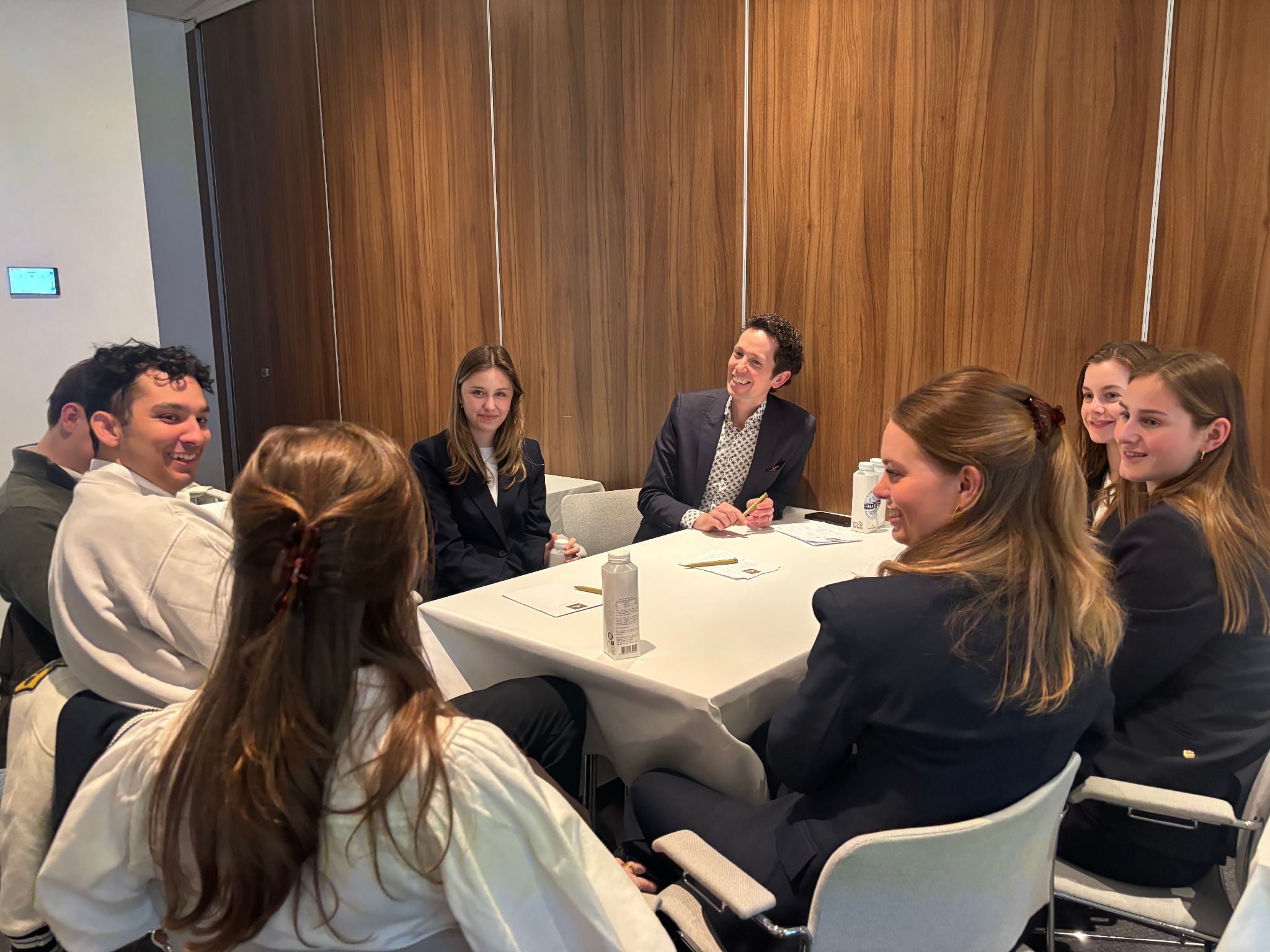
The effectiveness of speed-dating for innovation projects became clear during eight non-stop rounds of 10-minute conversations. Student teams took the lead in an interactive series of questions with Corendon employees — an immediate first step in collecting primary data for their research.
Inner development as the goal
The central question in the project is: which skills and leadership qualities are needed to make hospitality organisations future-proof? And what does that mean for Corendon’s HR challenges?
The project uses the United Nations Inner Development Goals (IDGs) framework. This framework highlights 23 skills — a practical overview of competencies that are increasingly important in organisations where people and teams make the difference.
The IDG framework is used as a practical toolbox for social innovation and human development.
Jennifer Sies, Lecturer Leadership Skills at Hotelschool The Hague, introduced students to the IDG philosophy and the importance of personal development in modern leadership during an inspiring keynote session. In addition to her role as an expert in the field of IDGs, Jennifer Sies also serves as a lecturer‑supervisor for the student teams, together with Yoy Bergs, Edwin Sugut Tarus, and Tom Kuypers, all of whom contribute relevant subject‑matter expertise to this project
From student research to sector insights
In the coming months, student teams will continue to develop their research. CELTH will eventually bring together the insights from the various projects into a joint white paper for the hospitality sector, aimed at sharing new knowledge and actionable insights with the field.
This pilot aligns with the CELTH Strategy 2026–2030, which focuses on:
- strengthening knowledge on human development
- collaboration between education and the hospitality sector
- developing insights into future skills in hospitality
With this pilot, CELTH takes another step in connecting research, education and practice — and in developing the professionals who will shape the future of the hospitality sector.