

Adventure as a driver for transformation in tourism
From 10 to 13 June 2026, Breda University of Applied Sciences (BUas) will be hosting the International Adventure Conference (IAC). This is being organised in collaboration with Wageningen University & Research and the Adventure Tourism Research Association (ATRA). The conference is being held in the Netherlands for the first time and has explicitly adopted a broader, more regenerative approach to adventure travel.
Jelena Farkić, a researcher at the Research Group Tourism Impacts on Society (RTIS) at BUas and a member of the ATRA steering group, sees the conference primarily as an invitation to the sector to think differently about tourism. “We don’t want to approach adventure merely as a recreational activity, but as a way to rethink our relationship with the world,” says Farkić. “How we learn, travel, consume and interact with one another and our environment is central.”
The conference is also of interest to the industry. They can learn a great deal from so-called ‘frontrunners’ in the CELTH Industry Panel on Thursday, 11 June. Frontrunners who have already actively reformed their business operations: from redesigning supply chains and introducing regenerative practices to renewing the guest experience and fostering a deeper connection with the environment.
A travelling conference with a new focus
The International Adventure Conference has been running for twelve years and travels the world. Previous editions have taken place in New Zealand, South Africa and various European countries, amongst others. The fact that Breda is now hosting the event is not a given, Farkić acknowledges. The conference often takes place in destinations that market themselves as ‘adventure capitals’. When I suggested the Netherlands, I was asked: ‘The Netherlands? How do you experience adventure there?’
It is precisely that question that makes the Netherlands interesting, she argues. “Adventure is not a clearly defined concept. It is what you make of it.” In the public imagination, adventurous travel is often associated with adrenaline, risk and physical limits. Farkić emphasises that this is only one side of the spectrum. “Of course, skydiving, climbing or diving fall under the umbrella of adventure. But we also focus on what we call slow or soft adventure.” This includes, among other things, walking, camping, stargazing, cooking together in the open air or simply slowing down in nature. “Slow, more immersive experiences in the outdoors can be just as adventurous.”
Adventure close to home: micro-adventures
A key theme recurring at the conference is the idea of micro-adventures: adventures close to home. “Adventure doesn’t have to be grand or far away,” says Farkić. “It can also be about seeing your own surroundings through different eyes. Meaningful experiences can arise just as easily in your ‘back garden’.” She sees plenty of opportunities for this in the Netherlands. “The Dutch live with the water; it is deeply ingrained in Dutch identity. Think of sailing and water sports in Zeeland, island hopping in the Wadden Sea, but also the highly developed camping culture. This is often not referred to as an adventure, but it certainly fits the bill.”
More than an individual experience
In the academic approach to adventure travel, the focus is shifting increasingly from the individual to the collective. “Traditionally, we talk about personal development, well-being and self-fulfilment,” says Farkić. “But increasingly, we view adventure as a collective experience: How do we relate to others? How does it foster a sense of care and compassion for other people, but also for nature itself?”
According to her, this marks a significant difference from more consumerist forms of tourism. “It’s not just about what the experience brings me, but also about what I give back. Not only to other people, but also to ecosystems.”
From consumption to regeneration
This thinking ties in directly with the conference’s theme: Transformation through adventure – beyond the consumer mindset. Farkić: “In a consumerist model, we mainly extract value from nature, from places, from communities. We, on the other hand, want to rethink how adventure can contribute to restoration, care and regeneration.” This idea aligns with broader discussions on regenerative tourism. “First restore what has been damaged, then protect it, and ultimately regenerate it. That calls for different questions, different business models and different forms of collaboration.”
Dialogue between academia and practice
The International Adventure Conference is specifically aimed at both academics and industry professionals. “As a University of Applied Sciences, we consider this link to be essential,” says Farkić. “That is why we have made extra room for the industry this year, including through the CELTH Industry Panel.”
The aim is not to present ready-made answers. “We don’t want to impose a solution, but to search for one together. How do you scale up these kinds of ideas? And, not unimportantly, how does this relate to the current model of growth? These are difficult but necessary questions, but we want to look beyond that extractive mindset and strive for value co-creation, well-being and relationships that benefit local communities and ecosystems.”
A conference that is itself an adventure
The conference’s format also reflects the theme. Alongside keynotes, parallel sessions and panel discussions, there are so-called mobile sessions. “We’re heading outdoors,” says Farkić. “Sailing, walking, cycling, writing in nature. The conversation literally shifts to different settings.” She laughs: “In that sense, the conference itself is also an adventure. And to be honest, organising it was too.”
An invitation to the sector
Farkić hopes that tourism professionals will feel this is relevant to them. “If this theme resonates, then I invite people to take part (www.atra.global). Think of it as a joint exploration of how tourism can be different.” She doesn’t dare to predict what the ultimate impact will be. “But if we learn to ask better questions together, that in itself is a significant result.”
CELTH Hosts Industry Panel at International Adventure Conference
During the International Adventure Conference CELTH, is organising on June 11 an industry panel on the transformation of the leisure, tourism, and hospitality sector.
The panel, titled “Transforming leisure, tourism and hospitality (LTH) ecosystems: Experiences from frontrunners,” brings together leading practitioners who are actively shaping more sustainable and regenerative forms of tourism. They will share their experiences in innovating business models, redesigning supply chains, and strengthening the relationship between visitors and destinations.
The session focuses on concrete, real-world examples and highlights both the opportunities and challenges associated with systemic change in the sector. It will also address how organisations navigate the tensions between sustainability and competitiveness, and how innovation can contribute to broader transitions within the LTH ecosystem.
The panel is moderated by CELTH director Jos van der Sterren. Panelists include Anouschka Trauschke (Tours That Matter), Simon de Wijs (BUAS/SPRONG), Dr. Irena Ateljevic (Terra Meera), and John Hummel (Okharbot Organic Farm).
With this industry panel, CELTH underlines its role as a connector between research and practice, actively contributing to accelerating sustainable transitions in the sector.
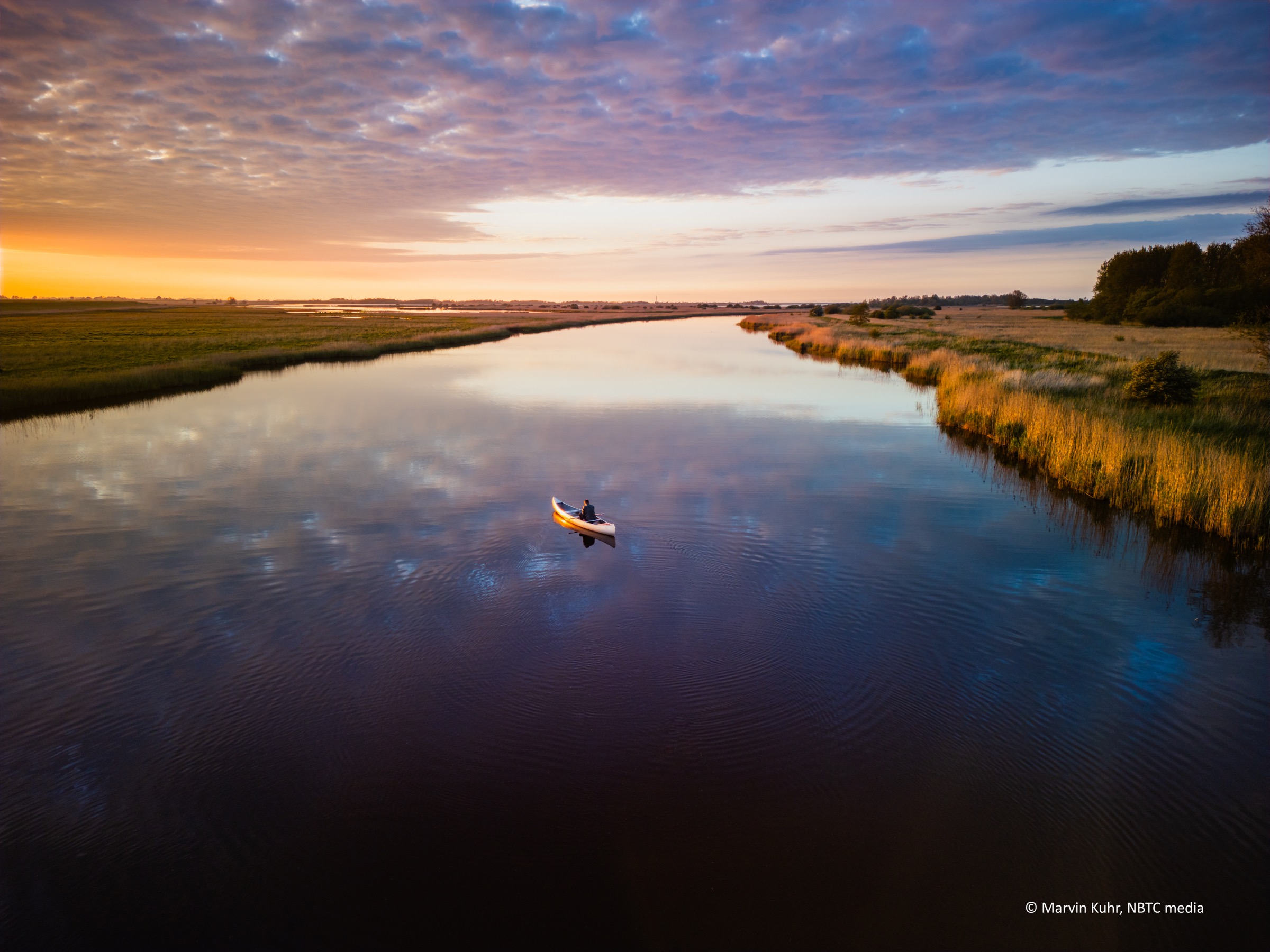
Photo: Marvin Kuhr - NBTC Media