


Factsheet Leisure mobility
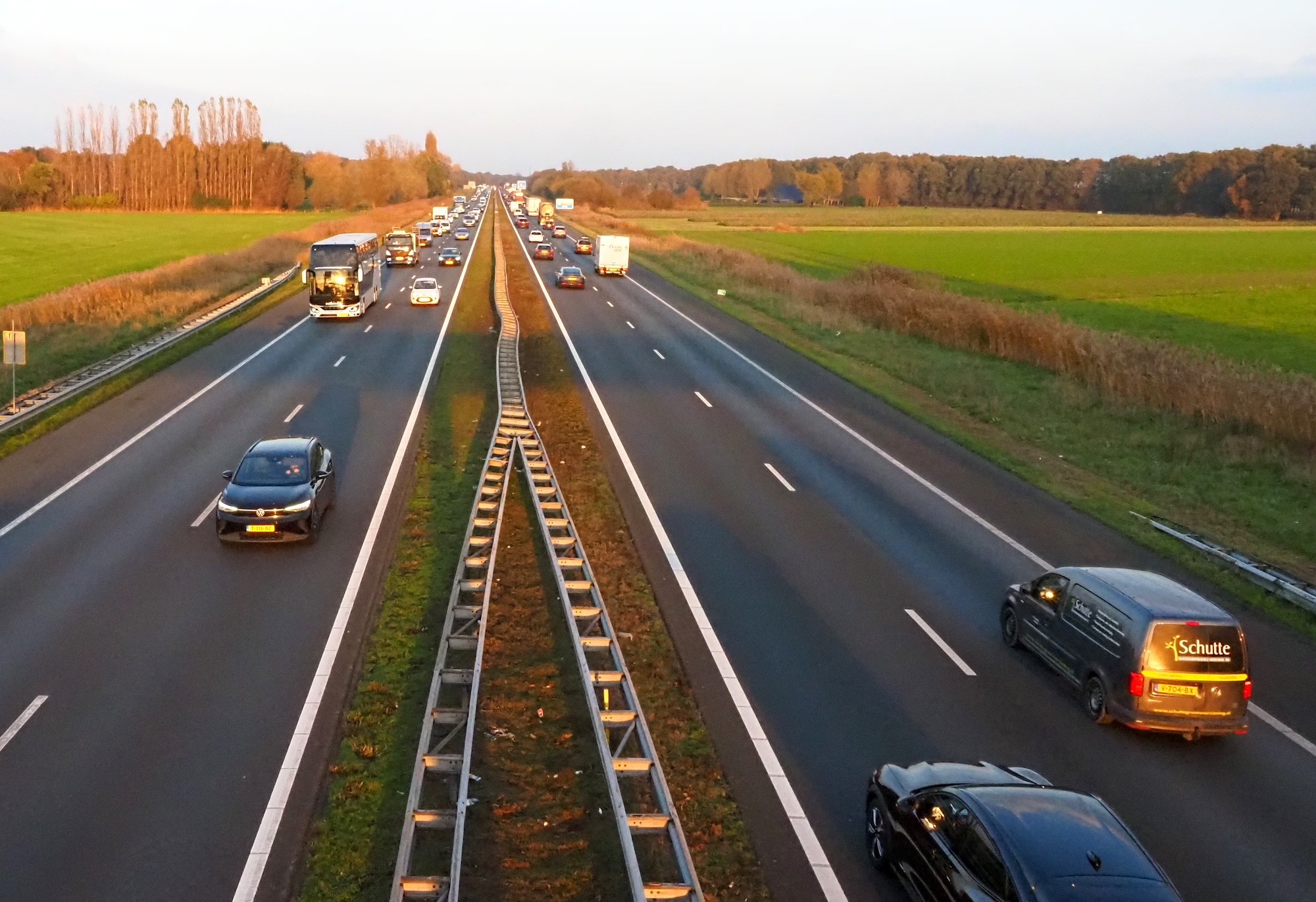
Almost four in ten trips in the Netherlands are made in people’s free time. Yet Dutch mobility policy focuses almost entirely on commuting. Recreational and tourist travel goes largely unnoticed, even though it produces around 7 megatonnes of CO₂ a year. Depending on the province, between 64% and 88% of all recreational trips are made by car. The result is crowded nature areas and coastal towns, parking problems and extra pressure on the places people live. Unless leisure mobility is taken into account, national climate, accessibility and liveability goals will be out of reach.
The factsheet Time to move: an invitation to a conversation sets out the key figures per province. It shows how leisure travel differs from commuting: it is less predictable, spread throughout the day, and often involves luggage or changing groups of travellers. It also outlines the path towards an integrated approach to mobility policy, with gains for the climate, nature, public health, accessibility and smarter use of existing infrastructure.
The factsheet invites policymakers, transport providers and leisure and tourism businesses to start this conversation together. It was developed by Breda University of Applied Sciences, HZ University of Applied Sciences, CELTH and ANWB.